Dark Sound
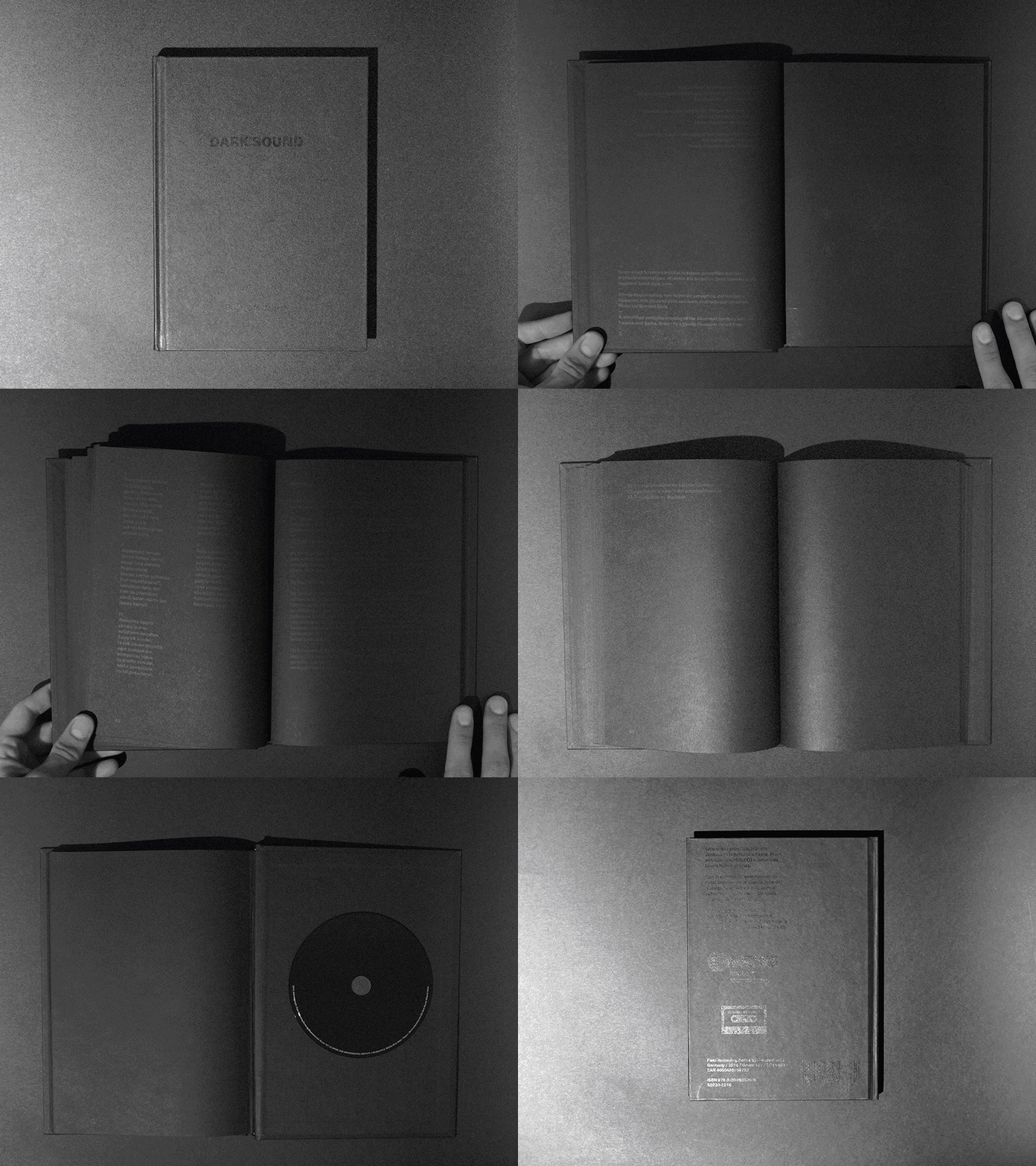
A dark book with a black CD.
The book contains Ecopolitik, an introduction written as an epilogue; a letter to the Huaorani people; two research texts and a bertso; descriptive texts and photographs of the recordings; a possible chronology; a glossary; and a compilation of testimonies, reports and statements by different people, groups, institutions and publications on the impact—direct or indirect—of the noise of the oil industry, throughout its various phases of development, on people, the environment and wildlife.
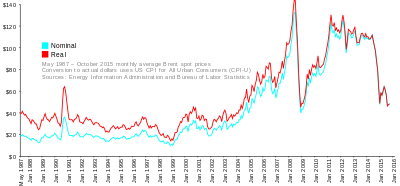
The price of this book is set by the price of Brent crude oil (LCO). By buying this book you are contributing to the destruction of the planet.
Technical info
176 pages, dark paper, black ink, hardback. Languages: Huao, Basque, Spanish and English. Only partially legible: reading in sunlight is recommended. 34 recordings in a single track on a black polycarbonate CD.
Part of the Field Recording Series by Gruenrekorder (Germany).
Exhibitions and performances
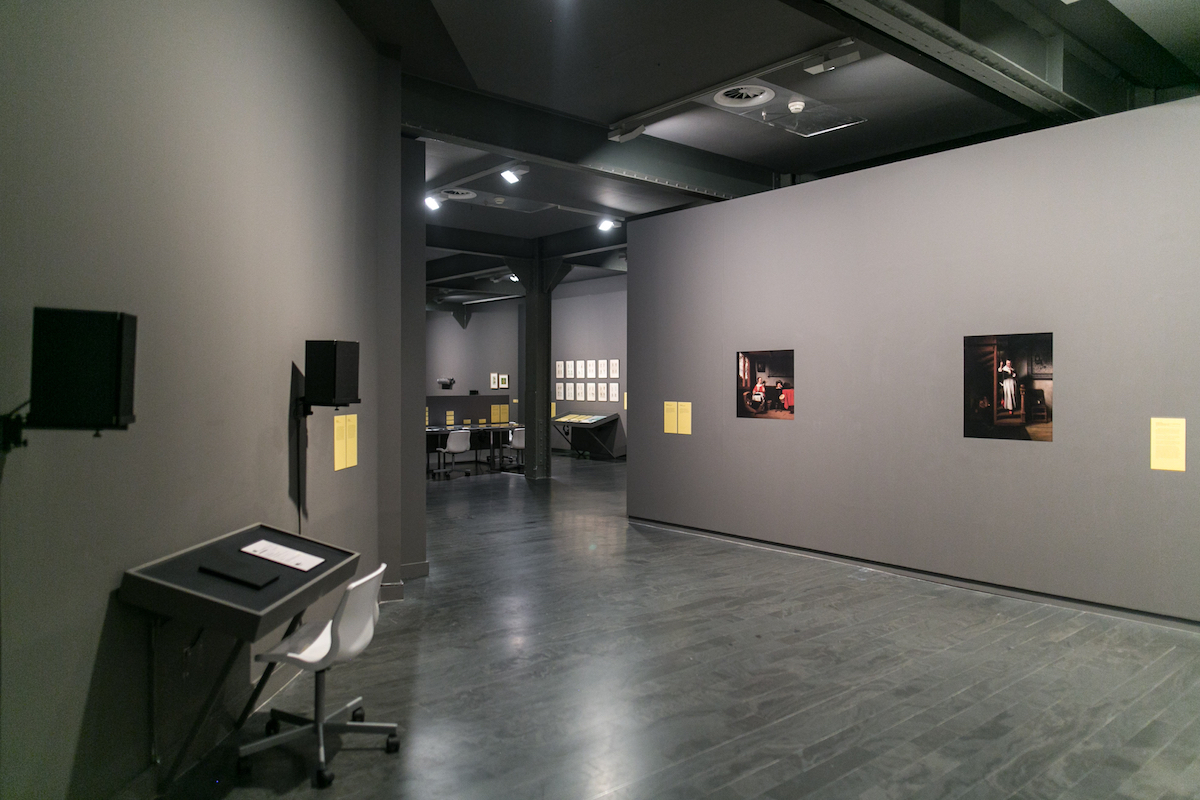
Dark Bilbao – shown in the group exhibition Music in the Basque Country 1968–2018 at the Bilbao Fine Arts Museum, Bilbao (Spain) (2018–2019)
Dark Mannheim – a quadraphonic concert organized by Elektrosmog and curated by Gruenrekorder at the Hafenkirche, Mannheim (Germany) (2018)
Dark Cologne – a quadraphonic concert during the 3 Positionen Gruenrekorder event at Loft, Köln (Germany) (2018)
Dark Zaragoza (Requiem for the presence) – at La Casa Amarilla bookshop and art gallery, Zaragoza (Spain) (2018)
Dark Madrid – shown in the group exhibition Charivaria at CentroCentro, Madrid (Spain) (2017)
Dark Barcelona – a lecture at the Secotropico festival, Barcelona (Spain) (2017)
Dark Barcelona – shown in the group exhibition (IN)VISIBLES, organized by SECO Festival, Barcelona (Spain) (2017)
Dark Berlin – a concert for four voices, given as a lecture, at the Cervantes Institute, Berlin (Germany) (2017)
Dark Frankfurt – a concert (as loud as possible) in Frankfurt am Main (Germany) (2017)
Shown in the group exhibition The public is not listening at all at La Central bookshop, Madrid (Spain) (2016)
Dark Radio – an interview on El Tramoyista Verde, Casares Irratia, Donostia (Spain) (2016)
Dark Irún – a listening session at Sakona Coffee Roasters, in a circular building, in collaboration with Bitamine, Irún (Spain) (2016)
Dark Oxford – shown at The politics of Ambience, curated by Sam Kidel, an event run with the Sonic Art Research Unit at Oxford Brookes University, Oxford (UK) (2016)
Reviews
“Dark Sound brings the reader to the problem of so-called Ecopolitik in that region of the world.” – Łukasz Komła, Nowamuzyka
“An excellent political statement.” – Frans de Waard, Vital Weekly
“The book is a pain to read. (…) To listen to the composition is to realize that noise can be murder.” – Richard Allen, A Closer Listen
“All the meanings are destroyed.” – Patricia Arredondo, En detrimento
“The unreadable word as statement? In the great scheme of things, everything we write is eventually erased.” – Stephen Fruitman, Avant Music News
“Distinguished dark a philosophy of living hearing and the deadly silence.” – Bad Alchemy
“The book provides a significant overview to the political history and issues encountered as a result of the colonisation, and pacification of the indigenous people.” – Matt Parker
“Dark Sound is rather Borges-ian in its content.” – Textura
“And it is all the more welcome in that here the farmyard is full, and that this store of mechanical-futurist noises.” – Le son du grisli
“The project is a parabolic reflection of its subject matter, the redacted and silenced voices of the oppressed.” – A Closer Listen, “The Year’s Best Packaging” (2016)
“Dark Sound tells a story that few want to hear, but that all need to hear: a story of a culture obliterated by greed and ‘progress’.” – A Closer Listen, “Top Ten Field Recording & Soundscape” (2016)
“Mikel R. Nieto’s Dark Sound truly has love for its surroundings.” – Beach Sloth (2017)
“The pervasive ‘black’, eventually, doesn’t hide anymore, but becomes the mandatory colour to engage with, in order to learn and understand what has been hidden, but must now be revealed.” – Neural (2017)
“His statement potentially leads an individual to engage in their own internal dialogue on environmental ethics.” – Jo Kennedy, Initiating ecological change through sound art – a review and short manifesto (2019)